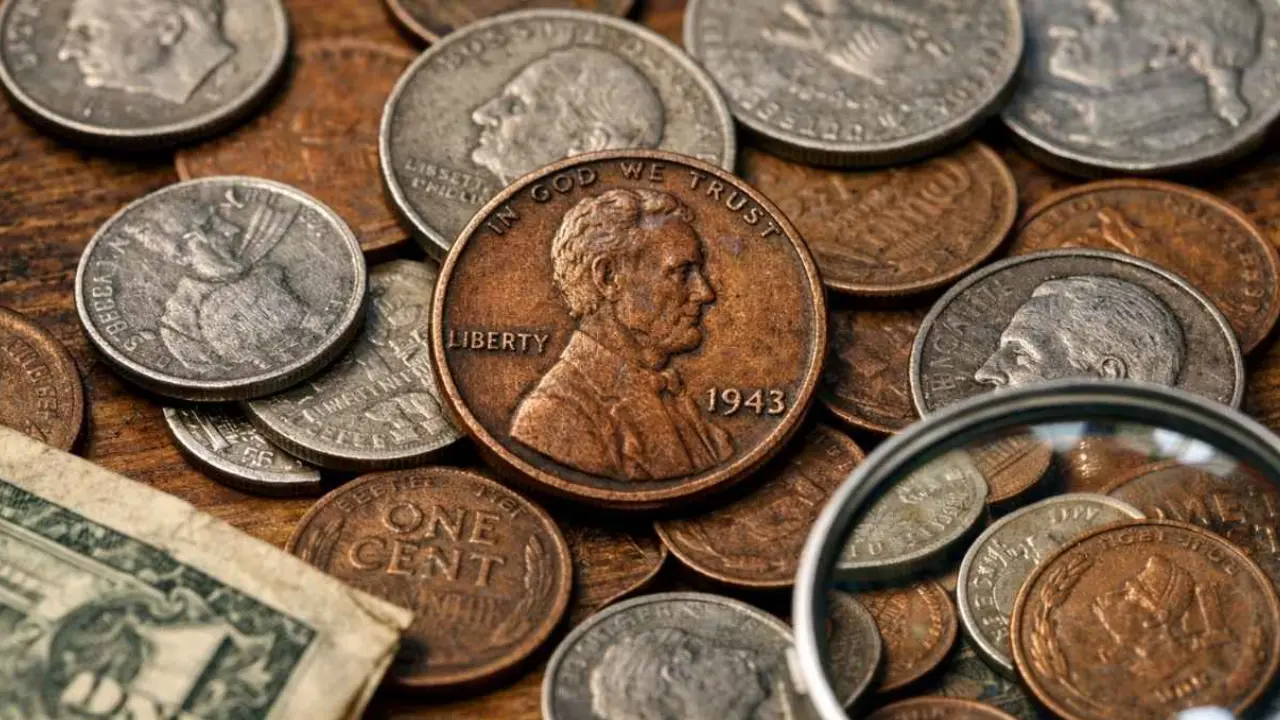
Wheat Penny Values 2026: Wheat pennies—small copper coins minted in the first half of the 20th century—are fascinating pieces of American history. For many collectors and casual enthusiasts, the value of these coins will remain a topic of interest even in 2026. Often found in old coin jars or bankrolls, wheat pennies can range in value from a few cents to thousands of dollars, depending on their condition and rarity. Understanding why some wheat pennies are valuable can help you discover hidden treasures. This article will explain the most sought-after and important aspects of wheat penny prices today.
What is a Wheat Penny?
A wheat penny is a United States one-cent coin minted from 1909 to 1958. They earned the nickname “wheat” pennies because they feature two stylized wheat grains on the reverse. These coins were designed by Victor David Brenner and are loved for both their simplicity and historical significance. Wheat pennies are mostly made of copper, which makes them even more valuable because copper has a unique value. Collectors often seek them out based on their date, mint mark, and overall condition.

Special Dates That Affect Price
Some wheat pennies are more valuable than others because they are rare. Generally, coins from the early years of production command higher prices. Special dates include the 1909-S VDB, 1914-D, and some Lincoln wheat pennies from the 1920s and 1930s. These coins had low mintages or unique features that made them highly sought after by collectors. In 2026, market trends still indicate significant interest in these special dates. Even very old and rarely used coins often fetch significantly more than more common coins.
Understanding Mint Marks
The mint mark on a wheat penny indicates where the coin was minted and can significantly impact its value. The three main mint facilities producing wheat pennies were Philadelphia (no mint mark), Denver (D), and San Francisco (S). Generally, pennies with D and S mint marks are rarer and therefore more collectible, especially those from certain years. For example, a 1922 coin without a mint mark is common, but a 1922 coin with a D mint mark is quite rare. Always check the mint mark before estimating a coin’s value.

Condition and Grading Basics
The condition of a coin is one of the biggest factors in determining its value. Coins are graded on a scale from Poor (P-1) to Mint State (MS-70). Most wheat pennies found in circulation are worn and range from good to very good, which generally places the price slightly above face value. Very good or non-circulation coins are more desirable and can be worth hundreds or even thousands of dollars each. Even small details like the date edge and the wheat stalks affect the grade and, therefore, the price.
The Role of Metal Content
Wheat pennies minted between 1909 and 1942 are mostly 95% copper, with the remainder being tin and zinc. In 1943, due to wartime copper shortages, pennies were made from zinc-coated steel. These “steel cents” are common, but because they are magnetic and less durable, they hold a different collector interest. After 1943, copper cents were reintroduced until 1958. In 2026, copper prices remain dominant in the market, and solid copper wheat pennies are of high interest due to their metal content, although collector demand typically exceeds the price of the metal alone.

Tips for Finding Valuable Wheat Pennies
Many collectors search old coin rolls, estate sales, and coin collections to find valuable wheat pennies. Clean coins gently only if you have experience, as scrubbing can reduce their value. Use a magnifying glass to check for dates and mint marks, as some rare coins can be difficult to identify at a glance. Remember that even common dates in very good condition can surprise you with high prices. Patience and knowledge are essential in finding hidden gems.
Verdict: Wheat Penny Values 2026
Even in 2026, wheat pennies will remain a popular collectible, with prices varying greatly depending on the date, mint mark, and condition. Knowing specific dates, understanding the basics of grading, and recognizing mint marks will help you determine a coin’s value. Although many Wheat pennies are low in value, rare and well-preserved coins can be quite valuable. Whether you’re a veteran or new collector, knowing about Wheat Penny prices can make every old coin collection exciting.